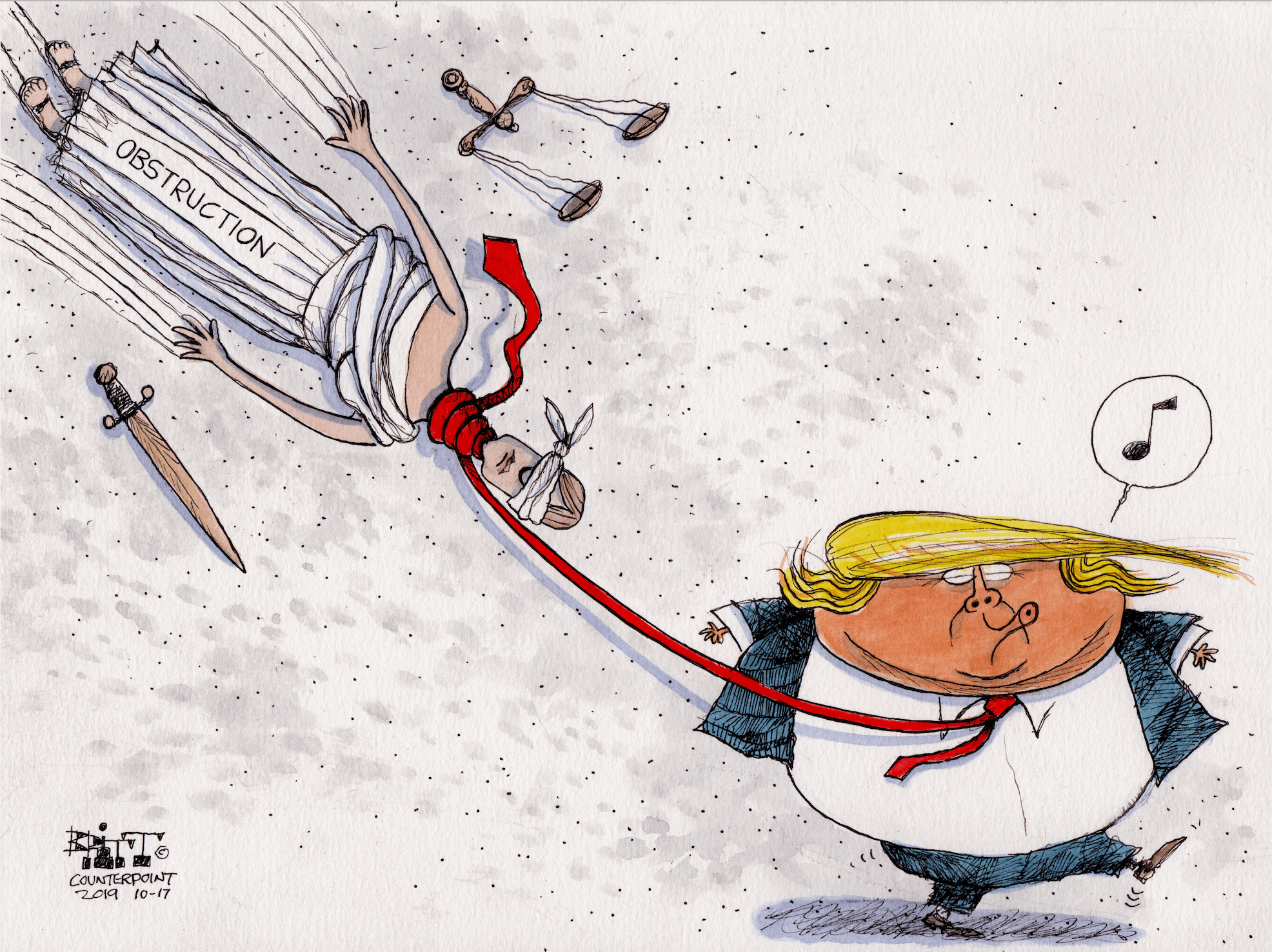
The Greatest . . . Mistake
Being an American who is accustomed to feeling pride in my country, I have a natural tendency to want to look up to my president. I have always felt this way in spite of the fact there have been more Republican administrations in my adult lifetime than Democratic ones. Over the years, I have felt varying levels of disappointment in our leaders; more often as a result of the actions of Republican presidents than Democratic ones.
I came of age during the Kennedy administration but, truth be told, I was a rather slow learner in the beginning. It took me time to appreciate JFK’s contributions to the American discourse. Although he was no saint, he presided over a time in which great things were in the air. Were it not for his guidance, and perhaps more than a little bit of luck, we might all have sailed away in a nuclear Armageddon!
The Johnson administration taxed my ability to feel allegiance; on the one hand, there was the compelling, grandfatherly way President Johnson had of addressing the nation that elicited my admiration and respect, but then there was the other side—the one that, fueled by deception, led to the loss of so many lives—and not just American ones—in the Vietnam debacle.
Nixon’s time in office was marked by shameful events that tainted the office in ways it from which it has never fully recovered.
The election of Jimmy Carter brought hope back into the White House after a period of darkness. Perhaps the most genuine person to occupy the office in modern times, he approached his task with sincerity, humility and fairness—qualities that, paradoxically, did not ultimately serve him well. That failure speaks more to the structural deficiencies and limitations of the office than it does to the man who held it. Nonetheless, there were times during his administration when I felt embarrassment for my country, principally concerning the failed rescue of the Americans being held by the Khomeini regime in Iran. But I never lost respect for the man. President Carter embodied then, as he continues to embody today, the principles that have guided him through all these years. He is a living, breathing example of the best of what humanity has to offer, and an inspiration to everyone he meets.
Reagan, adulated though he was by his minions, was at the helm when the country began its long slow decline into kleptocracy; the working class that idolized him still doesn’t realize the role he played in their economic decline, yet there were moments when even Reagan, who knew well how to work a camera, could elicit my admiration, if not my support. It is arguable that his best acting took place when he occupied the White House.
The “thousand points of light” heralded by the elder Bush during his administration turned out to shine disproportionately brighter on the ultra-rich than they did on the middle class, whose economic prospects continued their downward slide under his oversight. Though well-meaning, and certainly more astute than his son, his mishandling ultimately contributed to his defeat in his re-election bid.
Bill Clinton survived his impeachment not only because his transgressions were personal in nature and didn’t concern matters of national security, but also because of his popularity. Though far more moderate than I thought he should have been, the economy improved under his watch; unfortunately, it improved more for the wealthy than it did for the working classes. I didn’t always agree with Clinton’s decisions, but his likeability and charisma were impossible to ignore.
We can thank the presidency of George W. Bush for the chaotic state in which the Middle East finds itself today. The invasion of Iraq and subsequent overthrow of Saddam Hussein is directly responsible for the current instability in the region, despite what Bush’s apologists would like us to believe. But, even with “W,” he seemed likeable at times. The image of “W” as a guy one could go have a beer with had a saleable ring to it.
To say President Obama improved the Mid-East situation would be inaccurate. The loss of American influence and clout in the region that began with the mishandling of the invasion of Iraq continued under Obama’s administration through a series of ill-informed missteps, principal among them being his failure to enforce his “red line” ultimatum in Syria in the face of Syrian intransigence. But as much as I was frustrated by President Obama’s foreign policy blunders, I never ceased to admire him. You can disagree with the man, but you can’t question his loyalty, intelligence and ability to lead, nor can you deny his dignity and grace or his embodiment of the “family values” promulgated by his opponents. A good father and a faithful husband, Obama is all that trump is not. The comparison is stark and sobering!
Returning to Nixon, there was little of redemptive value about his administration, save the opening of dialogue with China and his founding of the EPA, yet, even after he resigned in disgrace, I continued to view him through a split lens—mostly as an exposed and disgraced villain—but still, there was a tiny place inside me that wanted to see him in a redemptive way. I can’t say I’m one of those people who strives to see the best in everyone, although I wish I were; but, to some extent, I do when it comes to presidents. Or at least I did until mr trump came along.
Mr trump stands out above the rest in any conceivable metric; his love of flattering superlatives, in which he extolls his virtues with unparalleled promiscuity, is self-confirming in at least one respect: he is without doubt the most brazen, undignified, incuriously myopic, coarse and abrasive buffoon ever to occupy the White House. There is absolutely nothing about this man that is praiseworthy. Nothing! To look into his eyes is, borrowing from the news, to stare into the abyss!
In short, trump is the greatest mistake the electorate has made in the history of the republic.
Presidents are, after all, imperfect; just like you and me, they’re human and they make mistakes. The difference between someone like donald trump and most of his predecessors in the Oval Office is that the others were capable of recognizing their mistakes and deriving benefit from that recognition—in other words, learning from their mistakes. With trump, apparently, there are no lessons to be learned from his mistakes because, when you’re a stable genius, none are made.
Tim Konrad
October 18, 2019
 sonora2sonoma
Leave a comment