by Tim Konrad
Chapter Seven
When I was in my late teens I joined a car club. Back when gangs were a thing detailed in violence-tinged news accounts emanating from such far flung places as Los Angeles, the route we took in search of a sense of belongingness was a relatively benign affair. The living room of the rental shared by two of our members who were brothers served as our clubhouse. The smaller cottage adjacent to the main dwelling, dubbed “the Sugar Shack” (named after a popular song of the time) was the place to take a date if the stars were aligned in one’s favor; a dream that, for most members, remained just that. Handsome waist-length coats were ordered from a local haberdashery, emblazoned with the club logo–a cocked top hat and cane against a black backdrop, and the club’s name, The Gentlemen, at a price that would make one stop and take notice even today. But how does one place a price on acceptance? To feel a part of something, to be accepted by one’s peers, such things are difficult to quantify at any age, and especially so when one is first venturing out into the world.
***
The ills of society thrive best in a climate under the kind of pressure—too many people crammed into too small a space—that accompanies urban living. Whether separated by distance, elevation, latitude or geography, the farther one removes from the source of this malaise, the more difficult it becomes for those exhibiting its effects to overcome the distance needed to spread it further. That’s why you find fewer up-tight people the farther away you get from civilization.
***
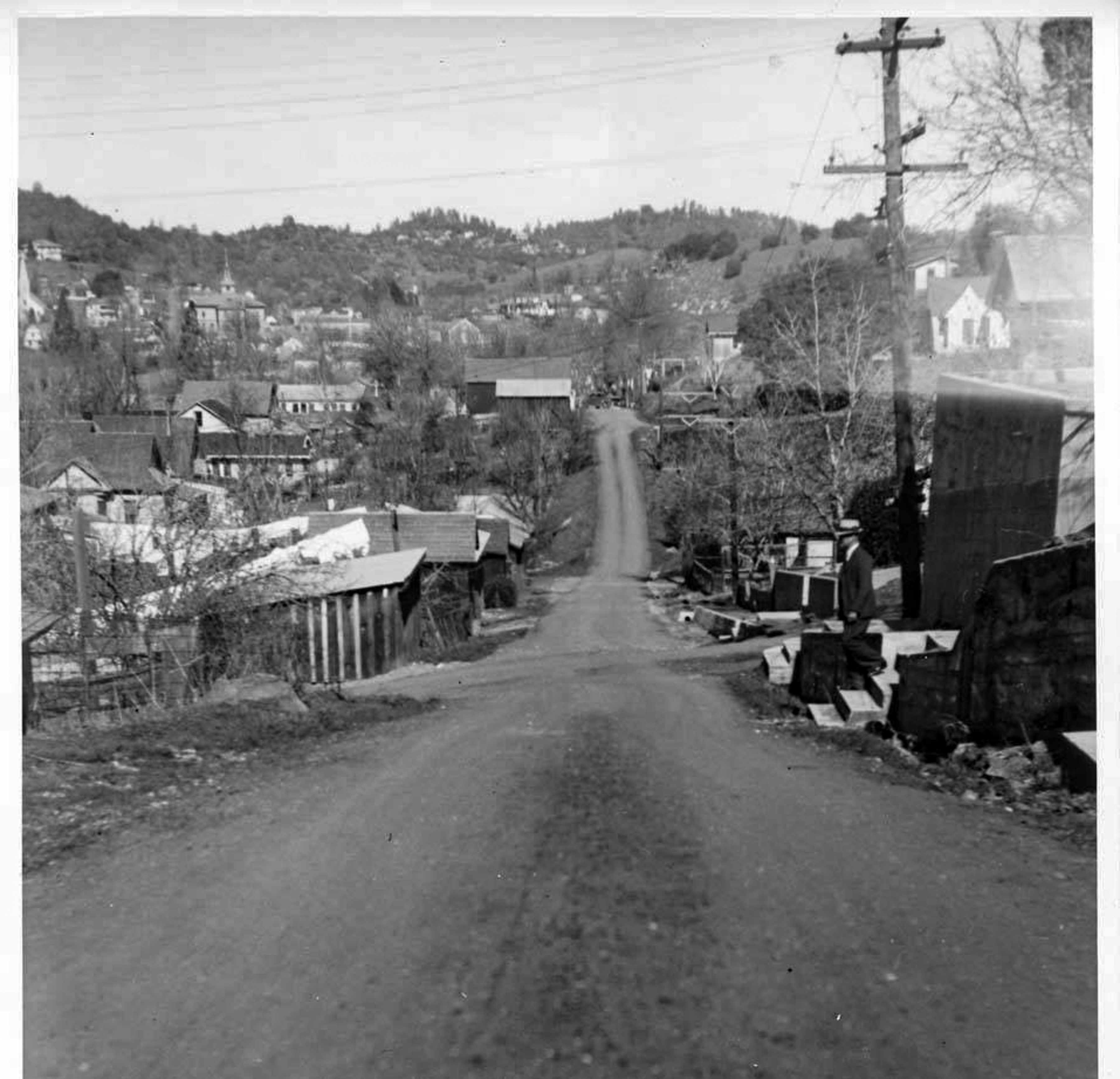
It was a good time to be a young person. And it was a good place to be one too. Long before gang culture infiltrated the far reaches of California, decades before the methamphetamine revolution arrived in the foothills, there was an innocence, thanks to geography and provincialism, that created conditions in which there were fewer temptations that could waylay a young person struggling to find him or herself in his or her arduous journey into adulthood. The existential angst and the cynicism that were to follow had not yet taken root to any appreciable extent beyond the confines of the major metropolitan areas. That state of affairs, alas, did not hold for long.
A few short years later, beginning with the “Summer of Love” in San Francisco, this awakening of metaphysical idealism, full of promise as it was, heralded a sea change in terms of recalculating the odds of surviving the perils of adolescence.
Those blessed with some innate sense of groundedness had an advantage not afforded to the less prepared. Those disposed toward addictive processes were most at risk, as the massive influx of drugs flooded the country with virtually no instruction manuals but plenty of dishonest and misleading admonishments such as the garbage proffered in such classics as “Reefer Madness” that portrayed relatively harmless drugs like marijuana as “gateway drugs” leading to acceptance and use of more dangerous, and potentially lethal, drugs such as heroin. While folks without anchorage to some sort of belief system were buffeted about by whimsy, going from full-blown hippie one month to Jesus freak the next, others, some more prone to hedonistic excess but not all, turned up in the obituaries as the victims of drug overdoses, presaging the regularity with which lives are being claimed by fentanyl overdoses today.
I have long felt that the real appeal of drugs to those in less fortunate circumstances as well as to those for whom their everyday reality is just not quite meeting their expectations is the promise, false as it is, to transport one far away from one’s troubles, if only for a little while. Were it not in our natures to want to escape our troubles, alcohol would not play such as big role in our culture. The solution to such social ills lies not, however, in abstinence, as the failed war on drugs so aptly demonstrates. It lies in lifting people out of the mental states that promote substance abuse. It lies in addressing the social ills that foster such mental states. It lies in helping people out of poverty, in giving the underprivileged a bigger share of the bounty through job creation of the sort that allows folks a chance at obtaining a living wage without having to work 2 or 3 jobs to attain it. It lies in better access to education and health care. It lies in wiping out homelessness. And it works best the more people care about the welfare of their neighbors and care enough to show that caring in action.
 sonora2sonoma
Leave a comment